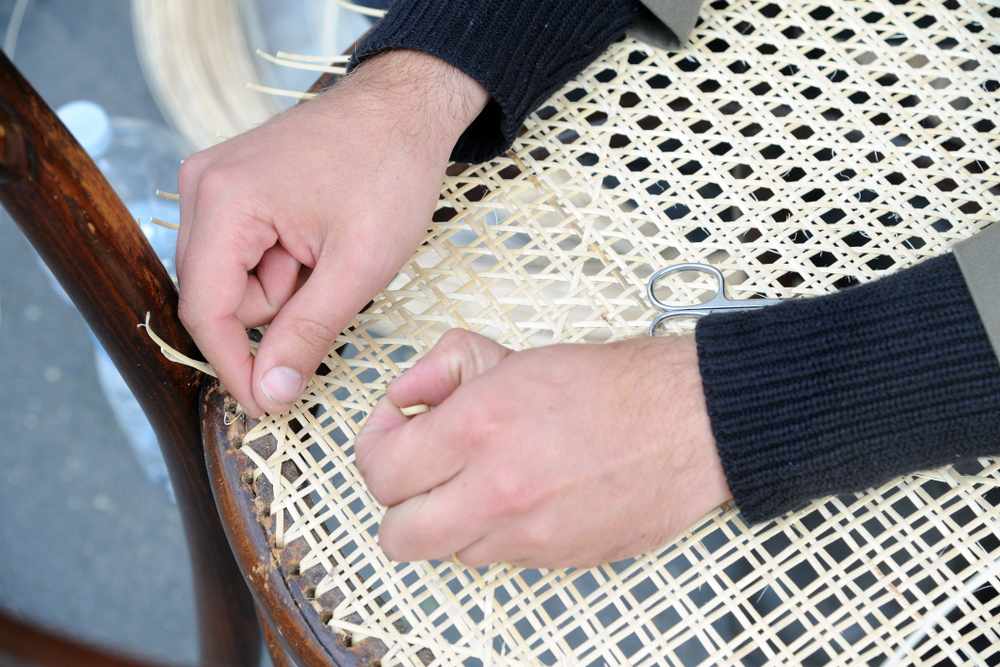
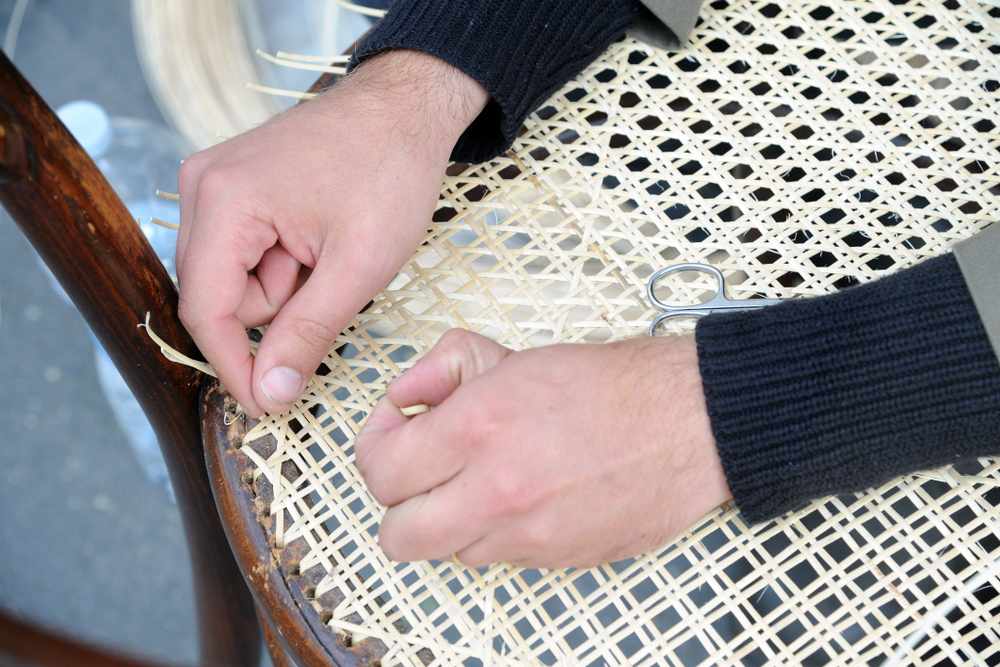
Is your beloved antique chair’s woven seat damaged? Jardin Wicker helps you decide between hand-caning and machine caning — because the choice matters for authenticity, durability, and value. Hand caning uses individual strands woven through drilled holes, giving unmatched craftsmanship and historical integrity. Machine caning (pressed cane) is faster, cheaper, and fits chairs with groove edges. Learn which method matches your chair’s design, value, and your restoration goals — and why Jardin Wicker can guide you to make the restoration that honors the piece’s past. 👉 Hand Caning vs. Machine Caning: Choosing the Right Repair for Your Antique Chair
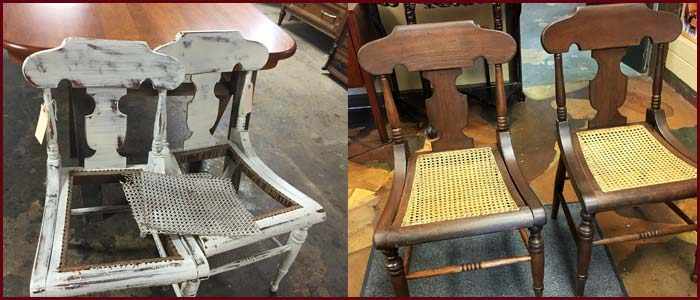
The Complete Guide to Wicker Furniture Restoration: The Jardin Wicker Way
There is a timeless elegance to a well-crafted piece of wicker furniture. Whether it’s a Victorian-era rocker passed down through generations or a mid-century rattan set that anchors your sunroom, these pieces carry history, character, and comfort. However, time, humidity, and wear can take a toll on natural fibers, leading to brittle reeds, sagging seats, and chipped finishes.







Write a comment ...